 Lists
Lists Lists
ListsBody modification undergarments - that alter, accentuate and create desirable silhouettes by applying force to the body or through structured wearable enhancements - have been used to throughout history.
In costume, historical body modification garments are important symbols for portraying wealth, position and historical context.
Garments that modify the body present a challenge for digital historical pattern creation as digital avatars are commonly solid 3D objects which are unable to ‘realistically respond to external forces’ e.g. 3D constructed/simulated garments. This study investigates harnessing body scanning and digital processes to create silhouetted avatars, to permit the digital production of historically accurate patterns that are accurate of an actor’s biometric data.
The research takes an empirical approach to test four experimental digital workflow methods and develops a specific process for body modification avatars. The processes are then applied and assessed through production of a digital 16th century historical costume garment. The results offer metric and observational insights into workflow consistency, dimension accuracy, and mesh usability.
The generation of ‘silhouetted period avatars’ using 3D body scans and historical body modification garments supports the digital creation of costumes with increased efficiency and historical accuracy.


 |
Recently added
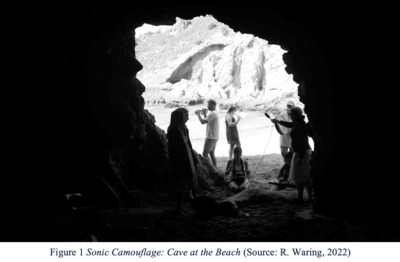
Waring, Richard (2024) Microcultures of collaboration: entangled artistic pedagogies for students and educator.

Manwaring, Kevan (2025) The Ecological Imaginary in Literature and Other Media: The Nature of Fantasy.