 Lists
Lists Lists
ListsThis essay outlines the challenges that EAL students face in an English actor training environment, especially in classical/Shakespeare actor training, exposing the effect of monolinguistic dominance of the English language (and persona) imposed on the EAL student. It highlights the narrow Anglocentric models in conventional English training and performance, reducing the potential of those from differing cultural/linguistic backgrounds. To address barriers faced in individualised expression and linguistic autonomy, translanguaging pedagogy is introduced (adapted from the EFL classroom) as a strategy of emancipation. Focusing on a Japanese student as a case study, and his performances of a Shakespeare sonnet in the Shakespeare Acting unit, a translanguaging research project was conducted. The student devised two performances of a Shakespeare sonnet: one spoken in English using a psychologically real style of acting, and the other spoken in Japanese, employing a Japanese representational gestural, movement style, for comparison (towards future amalgamation into a hybrid style). The performances were filmed, observed by peers, author/trainer and analysed. Two aspects were examined: identifying Japanese influence in the student’s interpretation, related to Japanese classical style and culture, and analysing how translanguaging had developed the student as a person and actor. Findings included: 1) Enhanced self-expression, progression of abilities and attainment; 2) Transformation in self-confidence; 3) Enhanced global and intercultural communication; 4) Development of teaching strategies to enable EAL students. This research evidences the value of translanguaging pedagogy and intercultural exchange, leading to further research and conversations between Japanese and English actor-training methodologies


 |
Recently added
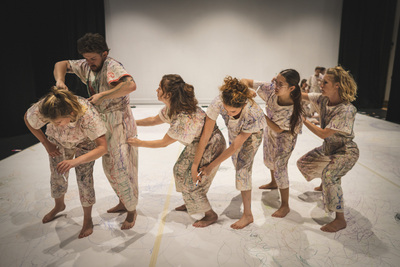
Keeley, Adele and Hubbard, Jenna (2024) The Moving Canvas Project: exploring choreography and disobedient drawing.
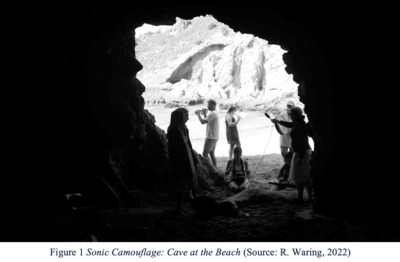
Waring, Richard (2024) Microcultures of collaboration: entangled artistic pedagogies for students and educator.
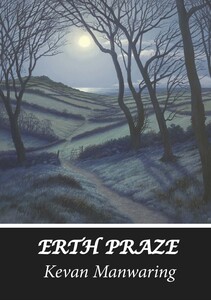
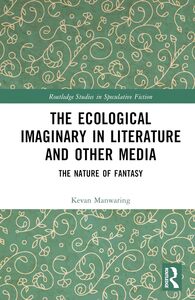
Manwaring, Kevan (2025) The Ecological Imaginary in Literature and Other Media: The Nature of Fantasy.