



 Lists
Lists Lists
ListsTeaching design within UK–China partnered higher education institutions is increasingly common. Chinese universities are influenced by filial piety (xiao) and Confucian principles, where avoidance of shame can heighten fear of failure; embarrassment to self or family discourages openly sharing creative experimentation, and limit engagement with Western iterative, failure-driven design processes.
Drawing on the author’s experience, this paper examines how Dweck’s Growth Mindset and Kolb’s Experiential Learning Cycle can be adapted for design teaching in China through an AI-assisted creative module. Students transformed sketches into AI-rendered outputs and used AI-generated “failures” as prompts for critique, reflection, and refinement. This created psychological distance between students and their work, making failure acceptable - and at times humorous, while re-framing iteration as a core component of creative development. The structured cycle of iteration and self-evaluation supported open discussion of mistakes and strategies for improvement.
The AI-mediated reflection model preserved face while fostering creative risk-taking, offering insights for educators navigating cultural expectations in transnational learning environments.


 |
Recently added
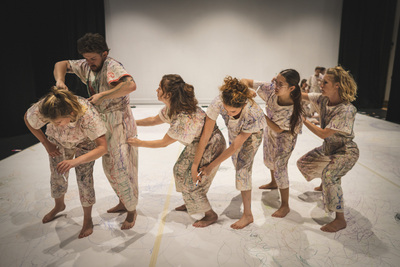
Keeley, Adele and Hubbard, Jenna (2024) The Moving Canvas Project: exploring choreography and disobedient drawing.
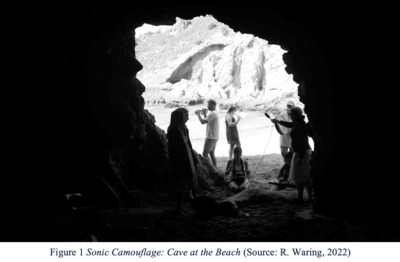
Waring, Richard (2024) Microcultures of collaboration: entangled artistic pedagogies for students and educator.


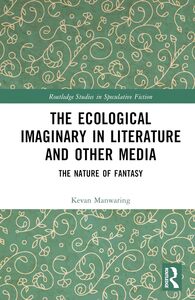
Manwaring, Kevan (2025) The Ecological Imaginary in Literature and Other Media: The Nature of Fantasy.
