



 Lists
Lists Lists
ListsConventional impact assessment tools can overlook subtle sensory,cognitive and interpersonal transformations experienced in participatory designand making interventions by focusing on metrics, often retrospectively, rather thanfacilitating shared dialogue-based learning. The process of designing the QUILTtoolkit discussed in this paper is anchored in a values-based approach that aims toprioritise participant-led narratives of discovery and change. Working with sevenresearcher-practitioners undertaking active projects in varied interdisciplinary andsocially engaged design and making contexts, and their participant groups, wedesigned and tested questions, presented as a set of cards, for prompting dialogueand co-reflection. Findings highlight a) the significance of moving away fromextractive transactions towards reciprocity in generating deeper understandings ofimpact, and b) the importance of attending to impact emerging at different stagesof a project. The paper concludes that designing for impact should aim to be areciprocal process maximising learning for both participants and researchers.


 |
Recently added
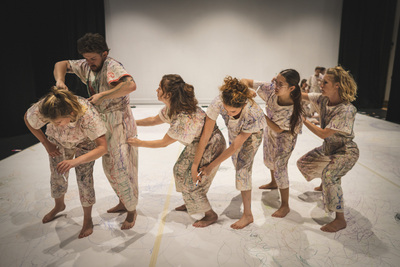
Keeley, Adele and Hubbard, Jenna (2024) The Moving Canvas Project: exploring choreography and disobedient drawing.
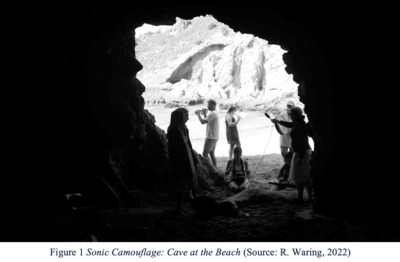
Waring, Richard (2024) Microcultures of collaboration: entangled artistic pedagogies for students and educator.

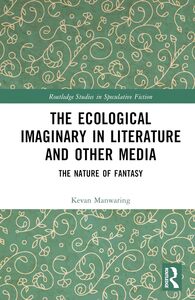
Manwaring, Kevan (2025) The Ecological Imaginary in Literature and Other Media: The Nature of Fantasy.
